Window Peeper Consent and Safety: Whose Face Can You Use?
Who you may put in the window, why “it’s just a joke” is not a defence, how platform AI labels work, what to do if someone used your photo, and how to ask a friend properly.
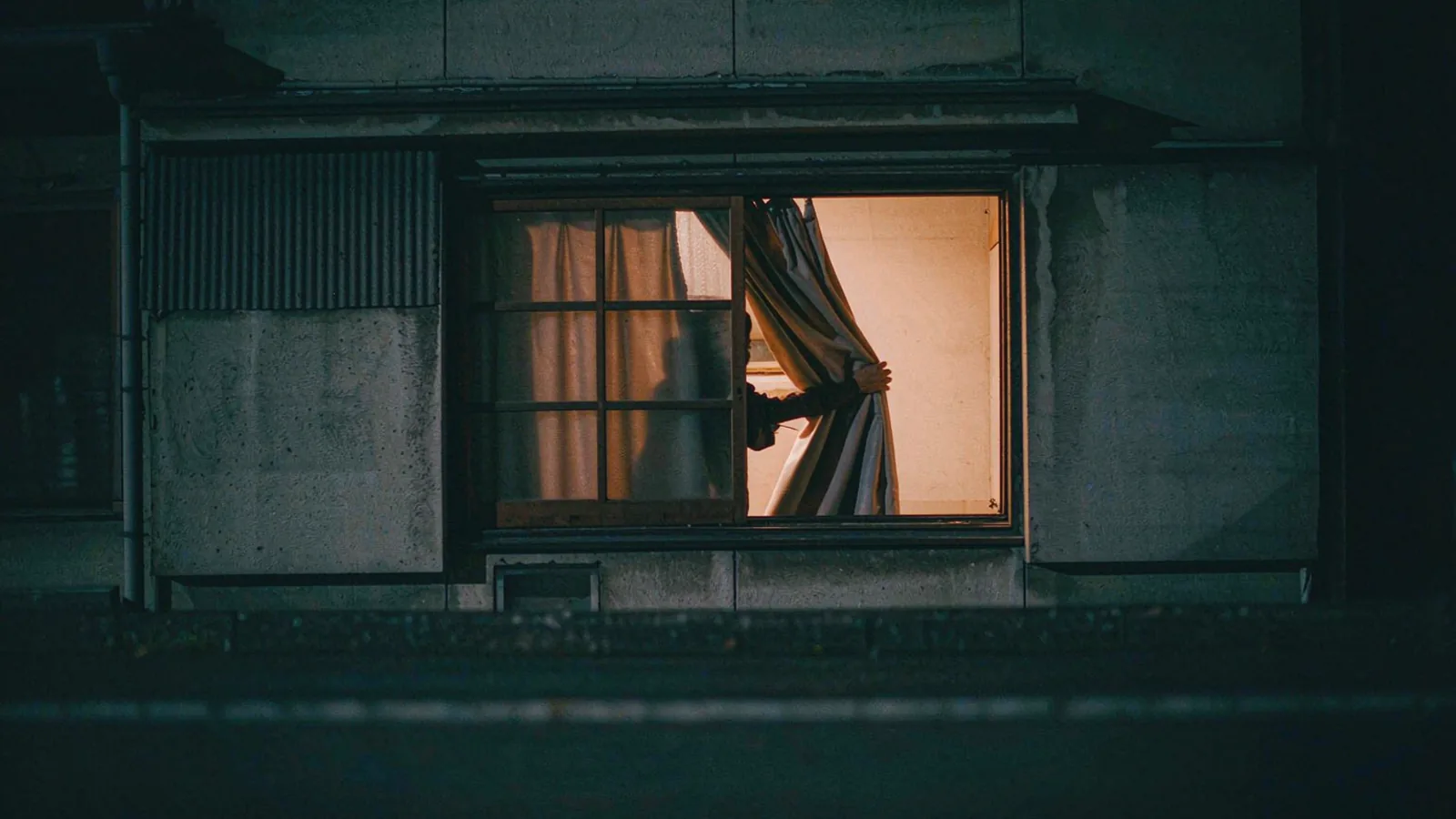
The window peeper format is a joke about being watched without consent. That is exactly why the real thing — putting someone in a video without their agreement — is the one mistake that cannot be laughed off.
This page is the policy in plain language: who you may upload, why the rules exist, what happens when they are broken, and what to do if somebody uses your face. It is not legal advice; laws differ by country and this is a product policy, not a legal opinion.
The short version
| Photo | Allowed? |
|---|---|
| Your own | Yes |
| An adult who agreed | Yes |
| A public figure | No |
| Anyone under 18 | No |
| Someone photographed without their knowledge | No |
| A stock photo of a model | No — you do not have that model's consent for this |
| An AI-generated face that is not anyone | Yes, but it is a weaker joke |
Five rules, no exceptions, no "but it's obviously a joke". The joke only exists because the person in the window chose to be there.
Why the rule is stricter than it looks
Three reasons, in order of how quickly they bite:
1. The format is an accusation. A video that says "somebody is watching this person through their window" is, structurally, an accusation of being watched. Applied to someone who did not agree, it is not comedy — it is a realistic depiction of harassment involving a real, identifiable person.
2. Synthetic media rules are tightening. TikTok, Meta and YouTube all require disclosure of realistic AI-generated content, and all three remove content that depicts real people without consent in a misleading way. A window peeper clip with a colleague's face is exactly the shape of content those policies were written for.
3. Lawsuits are rare; consequences are not. A complaint to the host, a demand from the person's employer, a post that follows them around — those happen far more often than court cases, and they are worse for everyone involved.
Public figures
No politicians, celebrities, athletes, or anyone whose likeness carries commercial value. This is not about whether they would mind — it is that their image is protected by right-of-publicity rules in most jurisdictions, and a generated video of a public figure "peeping" is both a legal risk and a reputational one for the platform hosting it.
If your idea depends on a famous face, the idea is not viable here. Use a lookalike silhouette, a cartoon, or a different joke.
Minors
No photos of children. Not a school photo, not a family picture, not "it's my own kid, it's fine".
A generated video of a child in a night-window scene is not something we will produce, and it is not something most platforms will host. This is the one rule where we do not negotiate, and it is also the one where "I did not think about it" is not an acceptable answer.
Photos taken without knowledge
This covers a surprising amount of ordinary behaviour: a photo of a colleague at their desk, a picture of a stranger on a train, a screenshot from a group video call.
If the subject did not know the photo was taken, it does not go in the window. The format is about being watched; using a secretly taken photo makes the video an actual instance of the thing it is joking about.
Asking a friend properly
If you want to put someone else in the window, ask like this:
"There's a trend where a photo becomes a 14-second video of someone eating at a lit window at night, then pulling the curtain. Can I use this photo of you? It's public on my account and it's obviously AI. Totally fine to say no."
That message does four things: explains the format, names the photo, says where it will appear, and gives an easy out. Screenshot the yes. It takes ten seconds and it settles every later disagreement.
If they say "what will it look like" — show them an example first. Consent given without understanding is not really consent.
Platform AI labels
All three major platforms now offer (and in some cases require) an AI-generated content label for realistic synthetic media:
- TikTok: "AI-generated content" toggle in the post screen. Required for realistic AI depicting real people.
- Instagram/Reels: "AI info" label, and Meta applies labels automatically when it detects AI signals.
- YouTube: "Altered or synthetic content" disclosure in the upload flow.
Use them. The reach penalty is small and mostly mythical; the penalty for being caught without one is a removed post and a flagged account.
The sound is not yours to license
The trend audio is an original sound attributed to a creator, not a cleared track. That means:
- Using it inside TikTok or Reels is fine — the platform's licensing covers in-app use.
- Downloading it and putting it in an edited export is not.
- Claiming it as your own is a straightforward rights problem.
Our renders ship with ambience only, partly for this reason. Add the sound in the app.
What we do when a rule is broken
- Uploads are reviewed. Reports and automated checks both feed the queue.
- A render that breaks the rules is removed from the account.
- Credits are not returned for removed renders. This is deliberate: a refund would make the rule a price, not a rule.
- Repeat violations close the account.
We would rather lose the sale than host the video.
If someone used your photo
If you find a window peeper video with your face in it and you did not agree:
- Screenshot everything — the post, the account, the timestamp. Posts disappear when challenged.
- Report in-app using the impersonation or synthetic-media category. This is the fastest route and it works.
- Contact the site that made it with the URL and a takedown request. Any legitimate operator will remove it; we remove on request without argument.
- If it spreads, file a DMCA-style notice with each host, and consider a platform-wide report for the account rather than individual posts.
- Do not engage with the poster. It rarely helps and often amplifies.
We keep source photos for seven days, which limits how long a re-render is even possible. It does not limit the video itself — that is why step 2 matters more than step 3.
A note on "it's obviously fake"
The most common defence of a rule-breaking render is that nobody would believe it. That defence fails for three reasons: the clip is designed to look real, it circulates without context, and the person depicted has to explain it either way.
"Obviously fake" is a claim made by the person who made it, about a video they made to look real, to the person who has to live with it. It is not a defence.
Frequently asked questions
Can I use a photo of my friend if they said it was fine last week? Consent for one video is not consent for a series. Ask again, or keep it to the one they approved.
Can I use a photo of someone who is dead? No. Likeness rights usually survive death, and the family's objection is not something a joke outweighs.
What about a photo I bought from a stock site? The licence covers the use you bought; it almost certainly does not cover depicting the model in a peeping scenario. Do not.
Can I generate a face that does not exist? Yes. It is allowed and it is also the least funny option, because the joke needs someone specific.
Does the AI label hurt reach? In our experience, marginally at most. A removed post hurts more.
How do I prove consent if there is a dispute? A screenshot of the message where they agreed, with a date. This is why we suggest asking in writing.
The rules are short: your own photo, or an adult who said yes. If you have that, the window is waiting. If you want to know what a render will look like before you ask someone, read the photo guide first.